Get Accessible Ramp Installation
Accessible ramp installation services help property owners create safe, ADA-compliant ramps for homes and businesses, making entry easier for individuals with mobility challenges.
Accessible ramp installation is an important consideration for property owners seeking to improve mobility and accessibility around their homes or businesses. Whether planning a new project or exploring options to enhance existing entryways, understanding the range of services available can help ensure the right solution is chosen. Local contractors specializing in ramp installation can assist property owners in developing practical plans that meet specific needs, making everyday access easier and safer for residents, visitors, or clients.
Comparing different local service providers allows property owners to find experienced professionals capable of handling diverse project requirements. By exploring available options, it becomes easier to identify contractors with the expertise to deliver reliable, functional, and durable ramps tailored to the property’s layout. Continuing to read can provide valuable insights into how local pros can support accessibility improvements that align with individual property goals.
- Residential property owners - when installing ramps to improve accessibility for family members or visitors with mobility challenges.
- Commercial building managers - when ensuring storefronts and entrances comply with accessibility standards for customers and employees.
- Healthcare facilities - when creating accessible entrances for patients and staff with mobility needs.
- Public institutions - when upgrading or installing ramps to meet accessibility regulations for visitors and staff.
- Construction or renovation projects - when integrating accessible ramps into new or existing building designs.
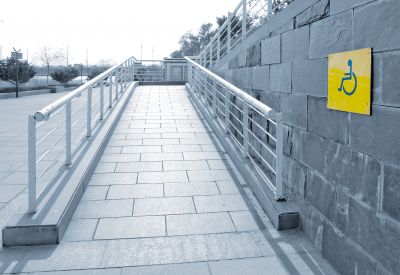
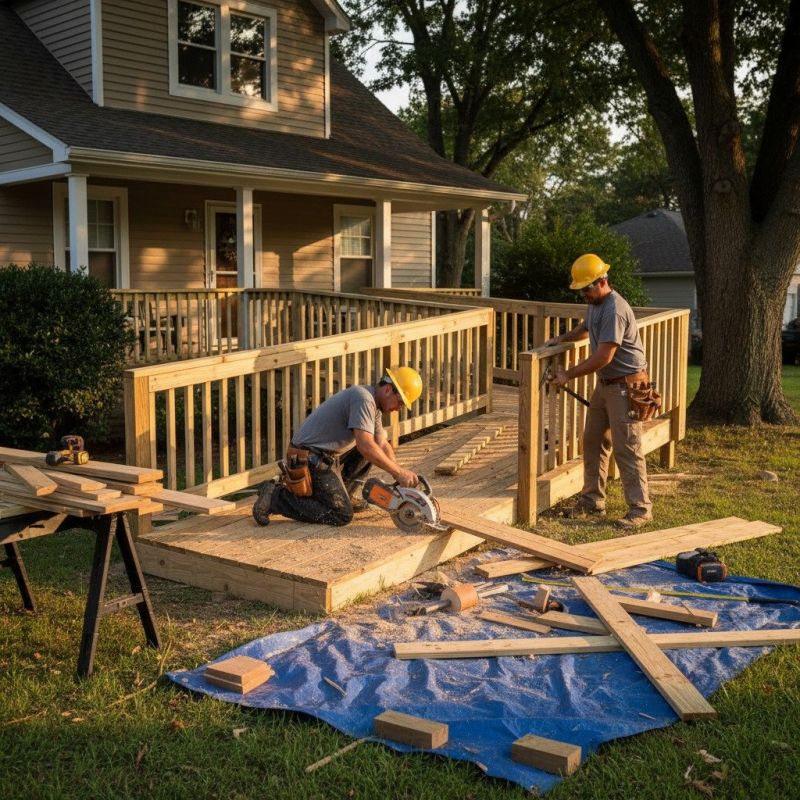
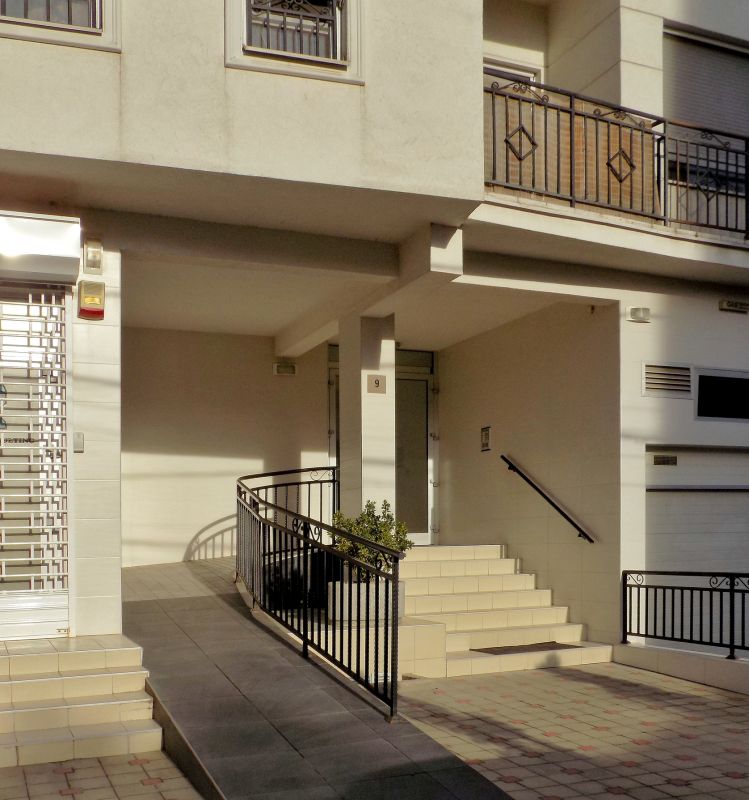
Accessible ramp installation services involve the design, construction, and placement of ramps that provide safe and convenient access to buildings for individuals with mobility challenges. These ramps are built to accommodate wheelchairs, walkers, and other mobility devices, ensuring that entryways are level with the ground and free from obstacles. Professional contractors assess the property to determine the best type of ramp-whether permanent or portable-and ensure it complies with accessibility standards. Proper installation includes secure anchoring, appropriate slope, and durable materials to withstand weather and daily use, offering a reliable solution for improved accessibility.
Many common problems can be addressed with accessible ramp installation. Properties that have steps, stairs, or uneven surfaces at entry points can become difficult or impossible for individuals with mobility issues to navigate safely. This service helps eliminate barriers that might prevent someone from entering their home comfortably, whether due to aging, injury, or disability. Additionally, ramps can help prevent accidents caused by slipping or tripping on stairs, reducing the risk of falls. Installing a well-designed ramp can also enhance independence for residents and visitors who rely on mobility aids.
Accessible ramps are often installed on a variety of property types, including single-family homes, apartment complexes, and commercial buildings. Residential properties that have front or back steps frequently benefit from this upgrade, especially when accommodating elderly family members or guests with mobility needs. Commercial properties such as retail stores, offices, and healthcare facilities also use ramps to meet accessibility requirements and create inclusive environments. In all cases, professional installation ensures the ramp fits seamlessly with the existing structure and complies with safety and accessibility standards.
When considering accessible ramp installation, it’s important to evaluate the specific needs of the property and its occupants. Factors such as the type of mobility device used, the amount of space available, and the overall property layout influence the best solution. Local contractors can provide guidance on the most suitable ramp design, materials, and placement to ensure long-lasting, functional access. By working with experienced service providers, homeowners and property managers can find effective solutions that improve safety, independence, and convenience for everyone who uses the space.
The overview below groups typical Accessible Ramp Installation projects into broad ranges so you can see how smaller, mid-sized, and larger jobs often compare in your area.
In many markets, a large share of routine jobs stays in the lower and middle ranges, while only a smaller percentage of projects moves into the highest bands when the work is more complex or site conditions are harder than average.
Smaller Repairs - Many routine ramp repairs, such as replacing handrails or fixing minor surface issues, typically cost between $250 and $600. These projects are common and usually fall within the lower to mid-range prices. Larger, more complex repairs can sometimes reach higher costs but are less frequent.
Standard Installations - Installing a basic accessible ramp generally ranges from $1,000 to $3,000, depending on length, materials, and site conditions. Most standard projects fall within this band, with fewer instances reaching above $4,000 for more customized solutions.
Full Replacement - Replacing an existing ramp with a new, code-compliant structure often costs between $3,500 and $7,000. Larger or more intricate projects, such as those requiring permits or specialized materials, can exceed $8,000 but are less common.
Complex or Custom Projects - Highly customized or large-scale accessibility ramps, including multi-level structures, can range from $7,000 to $15,000+ depending on scope and site specifics. These projects are less typical and tend to involve detailed planning and design considerations.
Actual totals will depend on details like access to the work area, the scope of the project, and the materials selected, so use these as general starting points rather than exact figures.
Wheelchair Ramps - installation of wheelchair ramps requires similar planning, measurements, and construction skills as accessible ramp projects.
Handrail and Guardrail Installation - adding safety features like handrails involves precise measurements and secure fastening, akin to ramp setup.
Outdoor Staircase Construction - building accessible staircases involves structural planning and material handling comparable to ramp installation.
Threshold Ramp Installation - installing threshold ramps shares skills in leveling, measuring, and secure attachment with larger ramp projects.
Deck and Patio Railing Installation - creating accessible railings requires similar planning, measurements, and safety considerations as ramps.
Elevated Walkway Construction - constructing elevated walkways involves structural planning and material use similar to accessible ramp projects.
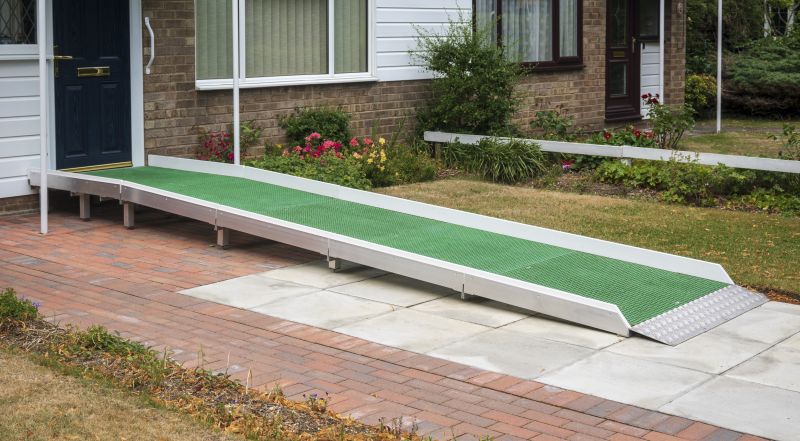
When comparing service providers for accessible ramp installation, it’s important to consider their experience with similar projects. Homeowners should inquire about how many ramps they have installed that match the specific needs of the property, such as the type of ramp, terrain, and accessibility features. A contractor with a proven track record of completing comparable projects can offer insights into potential challenges and solutions, helping to ensure the installation meets the homeowner’s expectations and requirements.
Clear, written expectations are essential when evaluating local contractors. Homeowners should seek detailed proposals that outline the scope of work, materials to be used, and any other relevant details. Having these expectations documented helps prevent misunderstandings and provides a basis for comparison between different providers. It also allows homeowners to assess whether the service provider’s approach aligns with their needs and preferences before any work begins.
Reputable references and good communication are key factors in selecting a reliable service provider. Homeowners can ask potential contractors for references from past clients who had similar projects. Speaking with previous customers can provide valuable insight into the contractor’s professionalism, quality of work, and adherence to deadlines. Additionally, choosing a provider who communicates clearly and promptly can make the process smoother and more transparent, ensuring that questions are answered and concerns addressed throughout the project.
Property owners use Accessible Ramp Installation services for practical projects around their homes and businesses. This guide focuses on everyday jobs and straightforward project options.
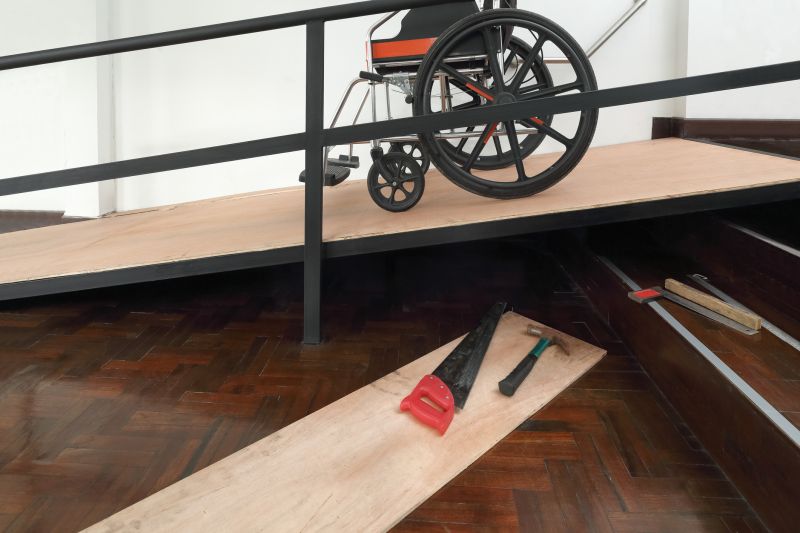
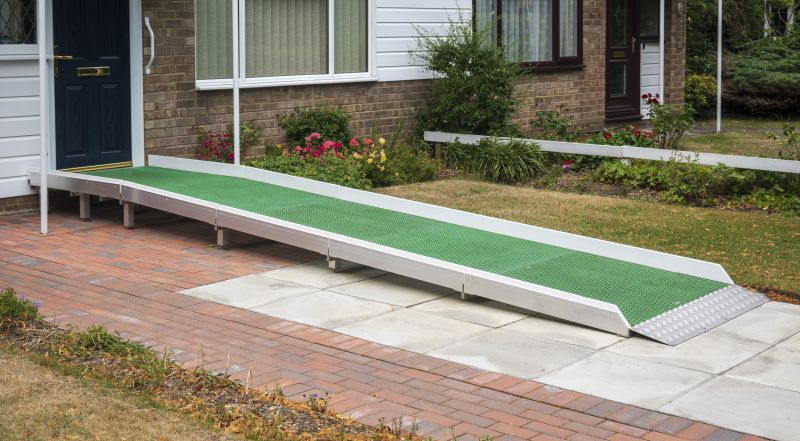
Accessible ramp installation is a common project for property owners seeking to improve accessibility around their homes or businesses. Whether installing a ramp to accommodate mobility devices, such as wheelchairs or walkers, or to replace stairs that pose challenges for visitors or residents, local contractors are equipped to handle these modifications. These services are often needed when making entrances more accessible for aging family members, guests with limited mobility, or for compliance with accessibility standards.
Many property owners turn to local service providers when they want a safe, durable, and properly installed ramp. This can include adding ramps to existing steps, creating new accessible pathways, or upgrading current installations to meet specific needs. Connecting with experienced local contractors ensures that the project is completed efficiently and safely, helping property owners create more inclusive and functional spaces.
What types of accessible ramps are available for installation? Local contractors can install various types of ramps, including portable, modular, and custom-built options, to suit different accessibility needs.
Are there specific materials used for accessible ramp installation? Yes, local service providers typically work with durable materials such as aluminum, wood, or composite to ensure safety and longevity.
How do I determine the right ramp size for my property? Local contractors assess the height and space requirements of the entryway to recommend an appropriate ramp size that complies with accessibility standards.
Can accessible ramps be customized to match existing home features? Many local pros offer customization options to ensure the ramp blends with the home's aesthetic and fits the available space.
What safety features are included in accessible ramp installations? Safety features often include non-slip surfaces, handrails, and proper edge protection, provided by local service providers during installation.
Residential Accessibility Improvements - Property owners can enhance entryways by installing ramps to improve accessibility for family members or visitors with mobility challenges.
Home Renovation Projects - Adding an accessible ramp can be part of a larger renovation to make a home more accommodating for aging-in-place or disability needs.
Public and Commercial Property Access - Business owners may use local contractors to install ramps that ensure compliance with accessibility standards for customers and employees.
Temporary Accessibility Solutions - Contractors can provide portable or temporary ramps for events or short-term needs to improve access during specific occasions.
If you are thinking about Accessible Ramp Installation for a property, this guide is meant to help you understand the work, the typical project types, and how different options might fit your plans.
When you are ready, you can use the quote form on this page to share a few details about your project. From there, local pros can review the basics and respond with options that match what you have in mind.